5 min read · updated october 2026
Working remotely from Nepal without losing a day to power cuts
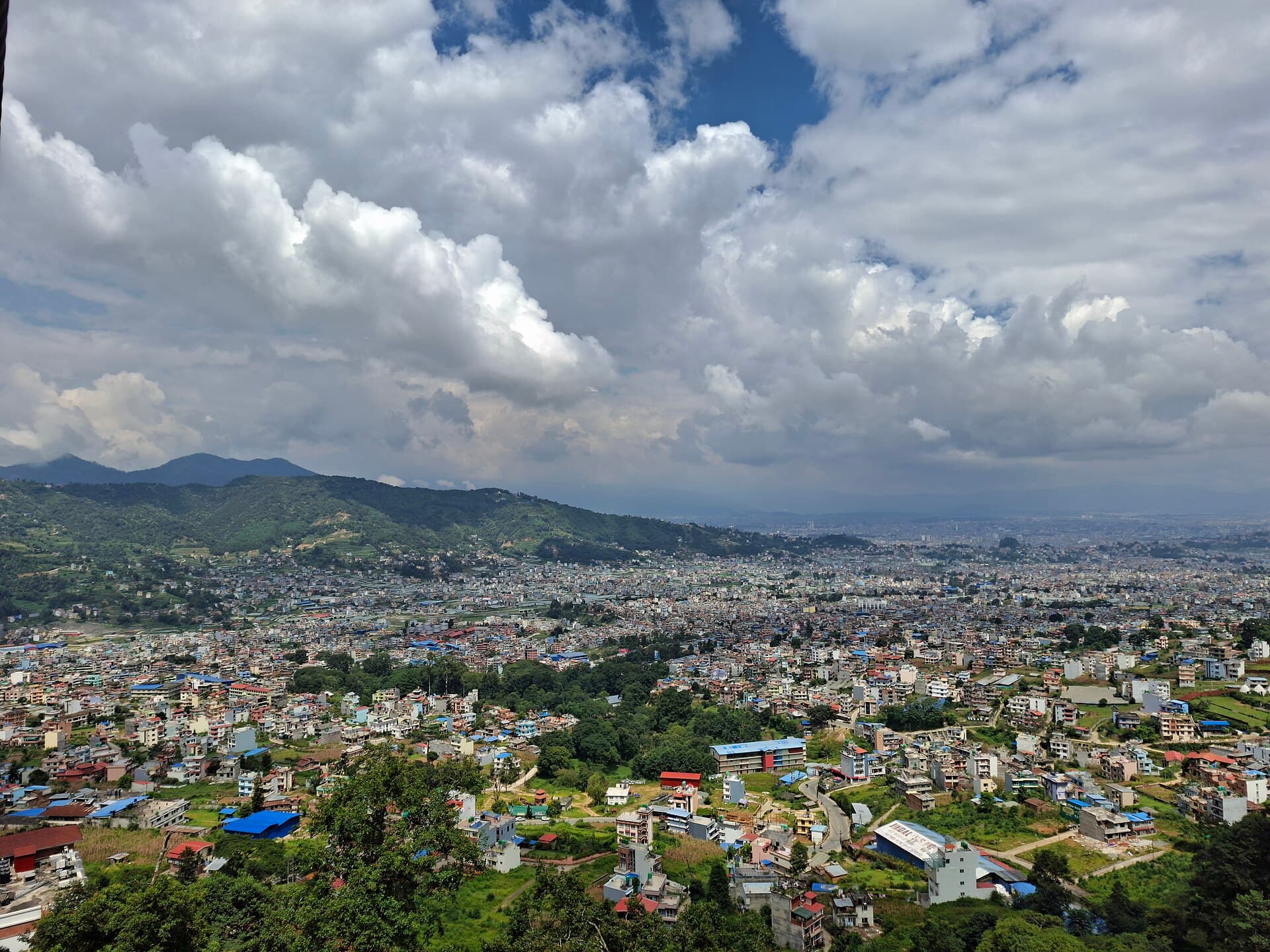
Nepal's power supply has improved a lot since the load-shedding years, but local outages, transformer faults and fibre cuts still happen, especially during the monsoon. If your income depends on being online, you need a plan.
At home: the minimum setup
- A UPS for your router and ONT, which keeps the internet up for an hour or two.
- A laptop with good battery life, plus a power bank that can charge it over USB-C.
- A mobile data plan (NTC or Ncell) you can tether to when the fibre drops.
Why many remote workers move to a coworking space
Building real redundancy at home (a generator plus two ISPs) is expensive and noisy. A good coworking space spreads that cost across members.
- Generator backup that powers the whole floor, not just a router.
- Two independent fibre lines from different providers.
- A quiet, bookable room for calls during your clients' working hours.
Questions to ask a space
- How long can the backup run, and does it cover desks and Wi-Fi?
- Which two ISPs do you use, and does failover happen automatically?
- When was your last full outage, and how long did it last?
Engineer in Residence in Balkhu was built for exactly this: Subisu 650 Mbps fibre with a Vianet 600 Mbps backup, a generator for outages, and a meeting room for calls. Desks from about रू 250 a day.
View listing →